




Give employees freedom and peace of mind
A spontaneous weekend away with a new love, time spent with your mum when she suddenly ends up in hospital, or simply a day to do absolutely nothing because your head feels full. Many employees save up their holiday days for moments like these. It is completely understandable. Having time in reserve gives a sense of control.
But without a clear leave planning structure, days get postponed endlessly.
And when you postpone too long, you might end up taking time off only when it’s already too late.
Saving up leave equals control; leave planning equals freedom
We often think planning means less freedom, but the opposite is true. When employees take control of their leave planning, space opens up. Space for spontaneous moments and space for genuine rest. And that helps prevent stress and absence from work.
“We see that especially younger employees struggle with mental health issues such as anxiety, stress and burnout. These complaints often simmer beneath the surface for a long time. With prevention and insight, you can truly make a difference.”

Mental pressure is rising across all sectors
Research by &niped shows that mental strain is the biggest driver of absence from work. Pressure is high in sectors like healthcare and education and even higher in ICT and hospitality.
Their data shows that 68% of employees face increased risks in more than three areas, including work capacity, mental health and lifestyle. For 19% of employees, these risks are considered very high.
The numbers speak for themselves:
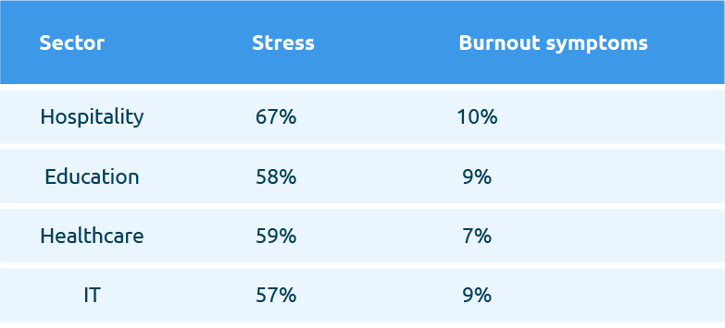
A smart leave planning approach helps create calm, clarity and space to recover. It helps employees actually use their time off instead of letting days pile up until the end of the year. In high-pressure sectors, this can be exactly what prevents overload.
How to make leave planning attractive without losing freedom
1. Normalize short breaks
Show that taking a few days off is just as valuable as a long summer holiday. Lead by example: a manager who regularly takes a long weekend sets the tone.
2. Plan ahead together
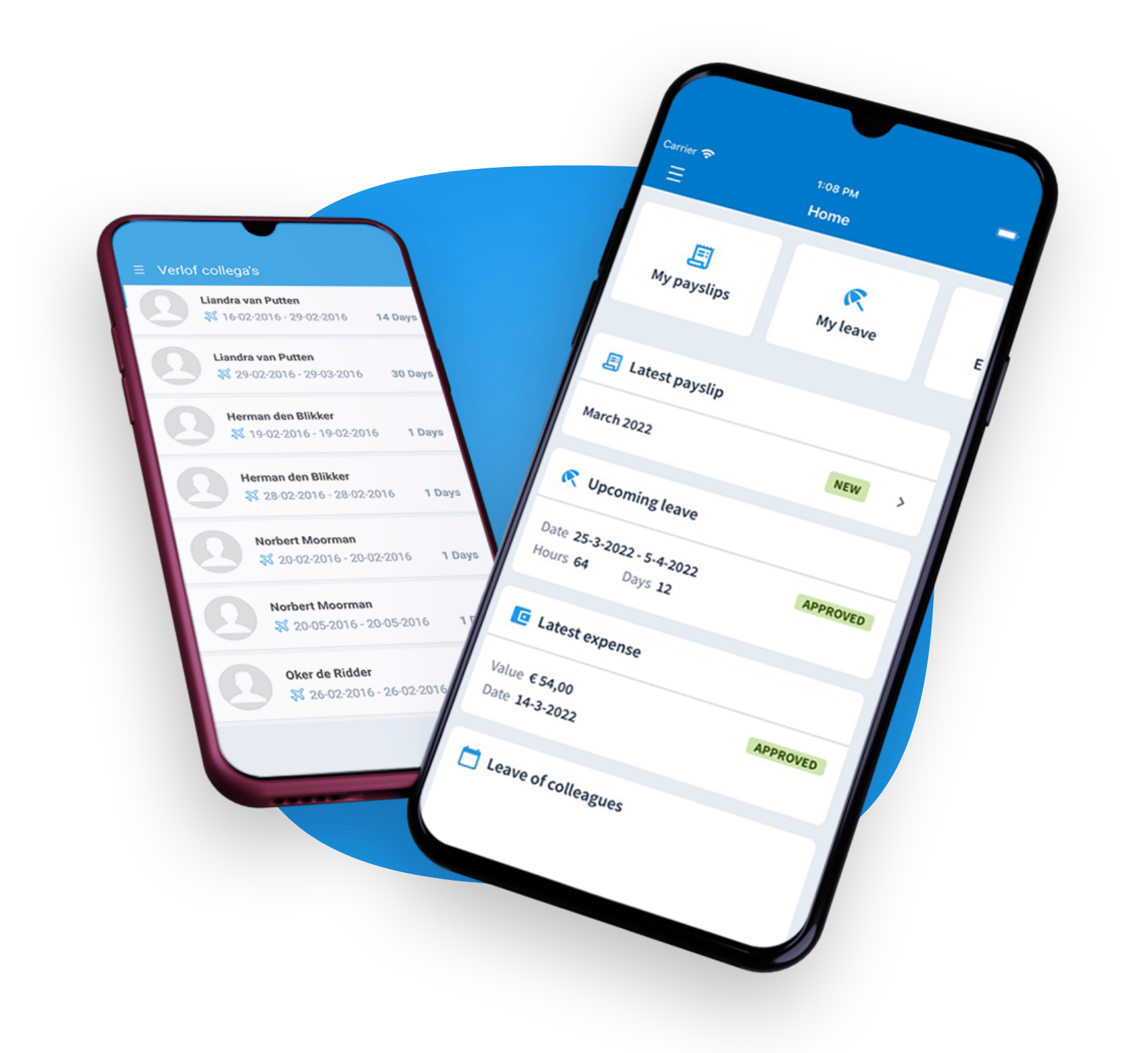
Use team overviews and planning tools to make leave visible and easy to discuss. Not to control, but to prevent everyone taking time off at once or nobody at all.
3. Remind employees of their remaining days
Send automatic reminders or let HR do regular check-ins. Many employees simply forget how many days they still have.
4. Liever zorgverlof dan ziekmelden? Laat opties zien
Many employees don’t know they’re entitled to parental leave, care leave, emergency leave or or the option to take time off in exchange for extra hours worked.
So they call in sick, even when another arrangement fits much better.
Show the options clearly and discuss them. This brings peace and prevents absence from work.
5. Allow room for customisation
Maybe someone prefers taking Wednesday afternoons off and making up the hours later. Or they want to recharge a month before the summer holiday. Show that you're flexible; it creates calm and boosts engagement
Prevention starts with taking rest
According to &niped, early detection contributes to a structurally healthier work environment. Leave planning plays a surprisingly big role in this. People who take regular time off build resilience and that’s the key to sustainable employment.
But beware: rest doesn’t automatically equal recovery. You can have the world's best leave system, but if someone spends all their days off renovating their house, they will still return exhausted.
So share not just knowledge about leave types, but also about the importance of real relaxation. Help employees discover what truly recharges them, and give them room to apply it.
Don’t make employees choose between planning or freedom. Give them both. In return, you get energy, motivation and lower absence from work.